What Shapes Your Daily Movement?
A Closer Look at 9 Massage Therapy Choices That Influence Your Routine
Modern life in Woodbridge comes with long work hours, full calendars, and fast-moving days. Many residents spend hours sitting, commuting, or managing tasks that gradually build tension in the neck, shoulders, back, or hips. When these patterns persist for weeks or months, the body begins to form protective habits that affect how you move from morning to night.
It is where Massage Therapy becomes part of a supportive routine. Not only does it help ease built-up discomfort, but it also helps improve how your body responds to everyday demands. Below is a fresh look at nine Massage Therapy options that can gradually influence how you walk, reach, lift, bend, and respond to stress throughout the day.
What Factors Influence Your Treatment Experience?
1. Selecting Pressure Levels That Match Your Body’s Signals
Some people respond well to gentle contact, while others need added pressure to address stubborn tension. Picking the proper pressure during Massage Therapy is the first step toward shaping smoother movement. Muscles that carry stress from computer work or long days behind the wheel often react differently than muscles strained by physical labour. Tailoring pressure to your needs helps reset how these muscles behave during daily movements.
2. Choosing Methods That Target Your Personal Tension Zones
Everyone has areas that tighten faster than others. For some, it’s the upper back from sitting at a desk; for others, it’s the lower back from repetitive heavy tasks. Selecting Massage Therapy methods that target these zones helps loosen the tissue that controls your most frequent movements. It makes everyday actions—like carrying groceries or stepping into your vehicle—feel more natural.
Why Massage Therapy Matters for Busy Woodbridge Residents
3. Working With Your Weekly Routine Instead of Against It
For many people, it’s not just the session itself but when it happens. Morning sessions can help set an easier rhythm for the day, while evening sessions can help you settle after demanding hours. Regularly adding Massage Therapy to your schedule allows your muscles to adapt more steadily, supports your daily movements, and reduces the chance of slipping back into stiff patterns.
4. Adding Light Mobility to Make the Effects Last Longer
Mobility exercises complement Massage Therapy by helping your joints move more easily after a session. Gentle stretching, controlled movements, or basic range-of-motion activities can reinforce the changes made during treatment. This combination is beneficial for people who sit for long periods or complete repetitive tasks throughout the week.
5. Selecting Session Length Based on Activity Demands
Shorter sessions can address surface-level tightness, while longer sessions allow the therapist to work with deeper tension. Your lifestyle plays a significant role here. Active individuals may need more time to target multiple regions, while office workers may benefit from focused sessions. Choosing the right duration for Massage Therapy helps maintain smoother daily motion between visits.
How Massage Therapy Helps You Move With More Ease
6. Matching Treatment Style to Your Job Environment
Every job places different demands on the body. Office work tends to strain the shoulders and neck. Trades often put stress on the forearms, legs, or lower back. Retail and service jobs involve long periods of standing, which can tighten the hips and calves. Aligning Massage Therapy’s style with your job’s physical needs helps your body stay more balanced during long shifts.
7. Breathing With Intention During Your Session
Breathing plays a quiet yet important role during Massage Therapy. Slow, controlled breathing helps the body release tension and allows muscle tissue to respond more effectively to treatment. Over time, this practice carries over into daily life, offering a calmer way to navigate stressful situations, heavy workloads, and hectic schedules.
8. Tracking Small Shifts From Session to Session
Regular check-ins with your therapist help guide each visit. Suppose you notice your shoulders relax more easily or your lower back feels less strained after a week of activity. In that case, that information helps shape your next session. This ongoing communication ensures Massage Therapy stays aligned with your goals, assisting daily movement to remain steady and manageable.
How Massage Therapy Supports Stronger Mobility When Paired With Physiotherapy
9. Blending Techniques for a More Complete Movement Plan
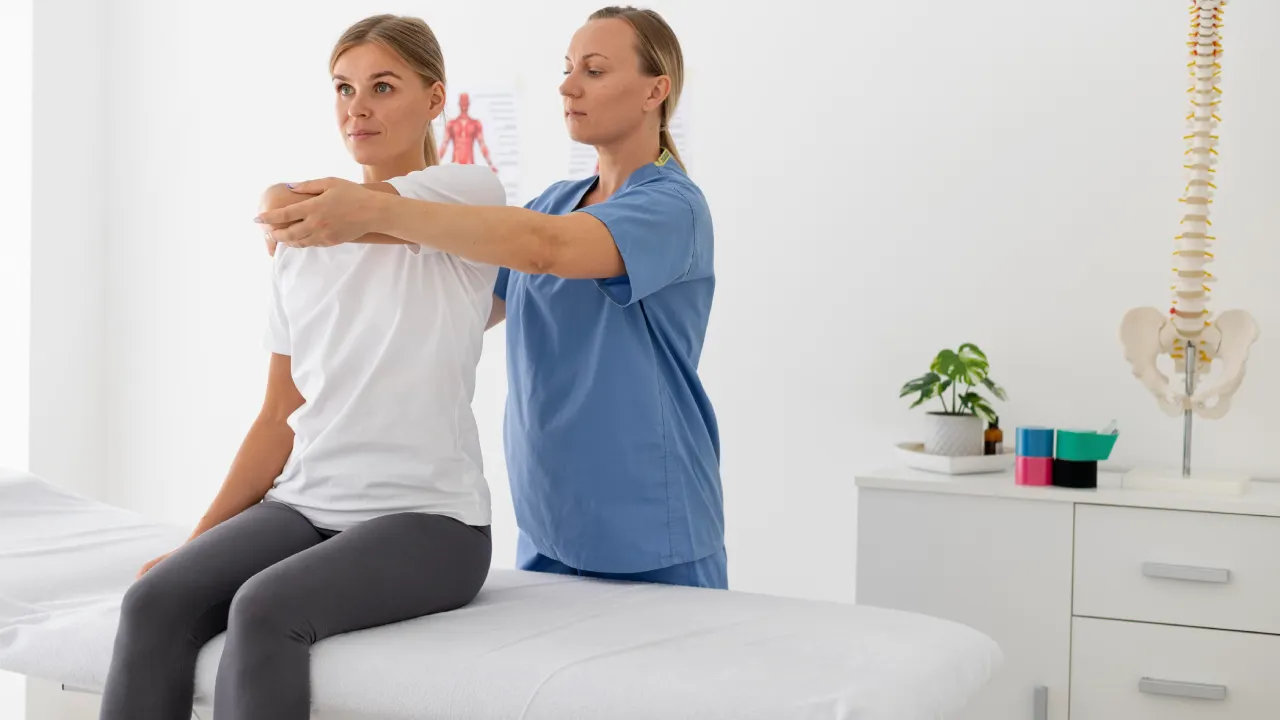
Many people in Woodbridge find that combining Massage Therapy with physiotherapy creates a balanced plan for both muscle tension and movement control. While Massage Therapy helps ease tight tissue, physiotherapy focuses on muscle activation, joint alignment, and strength patterns that support long-term movement habits.
This blend is beneficial for individuals who work long hours, juggle multiple responsibilities, or experience recurring tightness. The tissue work from Massage Therapy helps your body feel more open and ready for the corrective exercises provided by physiotherapy. Together, these approaches support steadier Mobility across busy weeks.
Why Woodbridge Residents Gain From Consistent Support
Living in a fast-paced community means many people rarely take time to recharge. Repetitive work, screen-heavy days, demanding schedules, and constant rushing create ongoing tension that influences how your body moves. Massage Therapy offers a way to break that cycle by helping your muscles settle, your joints move more comfortably, and your daily routine feel less taxing.
Our clinic provides a practical path forward for anyone who feels weighed down by tense days, stiff mornings, or constant strain. Suppose you’re ready to move with more ease throughout your week. In that case, Vcare Physio & Rehab is available to support your goals in Woodbridge.