How Knee Injuries Impact Your Daily Life and Why Rehabilitation Matters
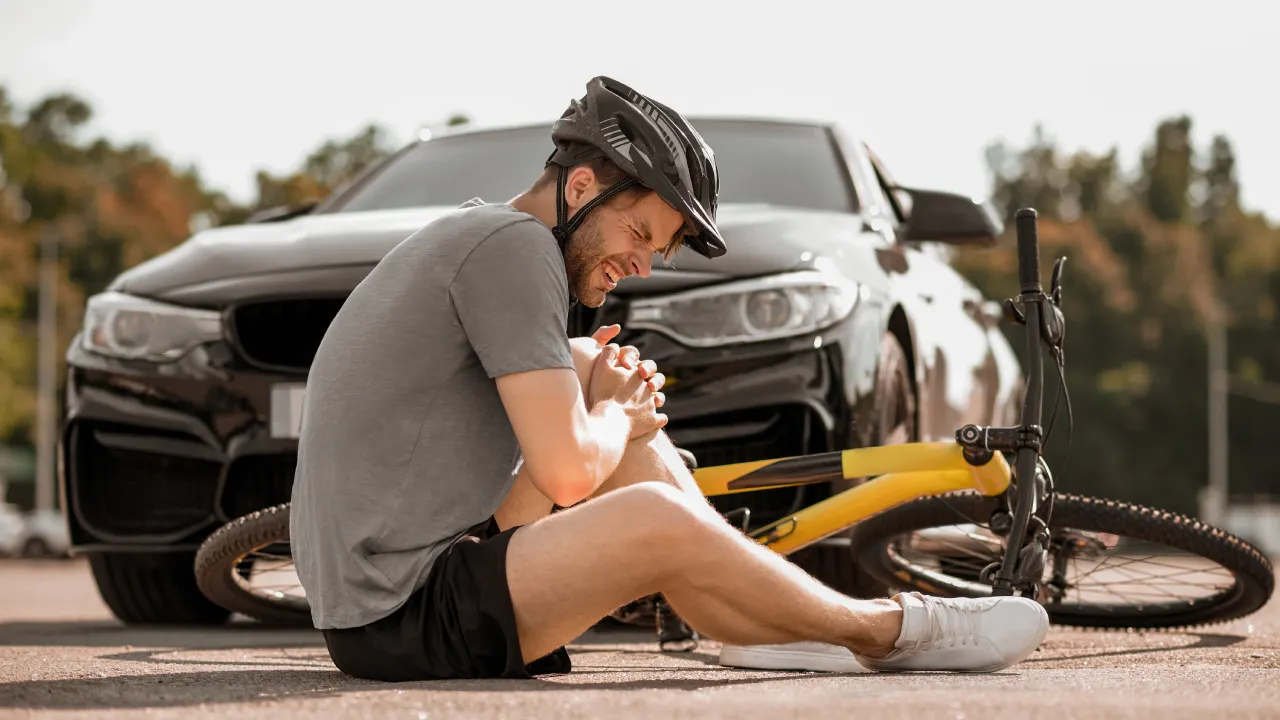
Knee injuries can disrupt daily life, whether caused by sports, accidents, or age-related wear and tear. Pain, swelling, and reduced mobility often make walking, climbing stairs, or even standing uncomfortable. The right knee rehabilitation program can restore strength, stability, and confidence. Understanding the types of knee injuries and how targeted therapy addresses them helps you make informed recovery choices.
What Are the Most Common Knee Injuries?
Knee injuries vary in severity, but some are far more frequent and can benefit significantly from structured knee rehabilitation. These include ligament tears, cartilage damage, tendon irritation, and joint degeneration. Recognizing the signs early can prevent further damage and accelerate recovery.
1. Anterior Cruciate Ligament (ACL) Tears
ACL tears usually occur in sports that require sudden stops, jumps, or changes in direction. Swelling, instability, and pain are typical symptoms. Knee rehabilitation for ACL tears focuses on rebuilding strength in the quadriceps and hamstrings, improving balance, and regaining a full range of motion. Consistent therapy ensures the knee can support movement safely.
2. Meniscus Tears
Meniscus cartilage cushions the knee and stabilizes movement. Twisting motions or gradual wear can cause tears, resulting in stiffness, swelling, and difficulty bending the knee. Targeted knee rehabilitation strengthens the surrounding muscles, improves flexibility, and supports joint stability, reducing the risk of recurrence.
3. Patellar Tendinitis
Patellar tendinitis, or jumper’s knee, often affects athletes who jump or run frequently. Pain appears just below the kneecap during activity. Rehabilitation includes stretches to reduce tension, strengthening exercises for the thigh muscles, and movement training to ease stress on the tendon. This approach helps restore normal function while reducing discomfort.
4. Knee Bursitis
Knee bursitis occurs when fluid-filled sacs near the joint become inflamed, often from repetitive motion or kneeling. Rehabilitation focuses on reducing inflammation, enhancing flexibility, and strengthening supportive muscles. Controlled exercises help relieve pain and prevent recurrence.
5. Medial Collateral Ligament (MCL) Injuries
The MCL stabilizes the inner knee during side-to-side movements. Injuries usually result from an inward force to the knee. Knee rehabilitation emphasizes strengthening the supporting muscles and improving joint stability. Early intervention can prevent long-term weakness and restore full movement.
6. Osteoarthritis of the Knee
Osteoarthritis gradually wears down cartilage, causing pain, stiffness, and difficulty moving. Knee rehabilitation strengthens muscles around the joint, improves flexibility, and supports everyday mobility. Structured therapy helps slow symptom progression and improves quality of life, making daily activities easier.
7. Iliotibial Band Syndrome (ITBS)
ITBS affects connective tissue running from the hip to the outer knee, which is common in runners and cyclists. Pain appears along the outer knee during activity. Rehabilitation targets stretching, strengthening hip and thigh muscles, and correcting movement patterns. Proper therapy addresses the root cause and prevents recurring discomfort.
8. Knee Fractures and Post-Surgical Recovery
Knee fractures or surgery can leave the joint weak and stiff. Targeted knee rehabilitation gradually restores strength, flexibility, and functional movement. Post-surgical programs follow healing timelines, ensuring exercises are safe and effective while promoting optimal recovery.
Why Targeted Knee Rehabilitation Matters
Knee rehabilitation is not a one-size-fits-all solution. Each injury requires specific exercises and techniques to restore function effectively. Attempting to recover without professional guidance can lead to prolonged pain, instability, and a higher risk of re-injury. Structured rehabilitation improves strength, joint stability, and range of motion, supporting a return to normal activity faster.
Patients who follow tailored knee rehabilitation programs regain confidence in their movement and experience fewer setbacks. Consistent therapy helps the knee adapt to stress while reducing discomfort during daily activities.
How Knee Rehabilitation Works
Effective knee rehabilitation combines several components:
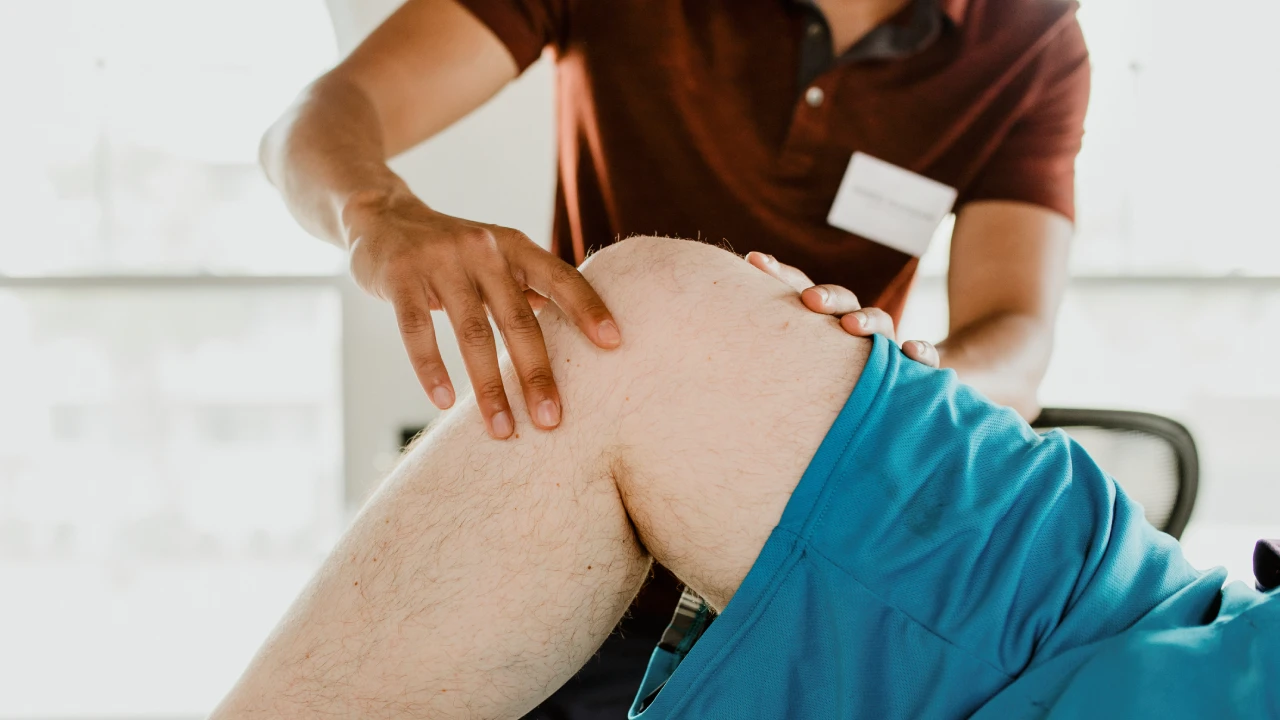
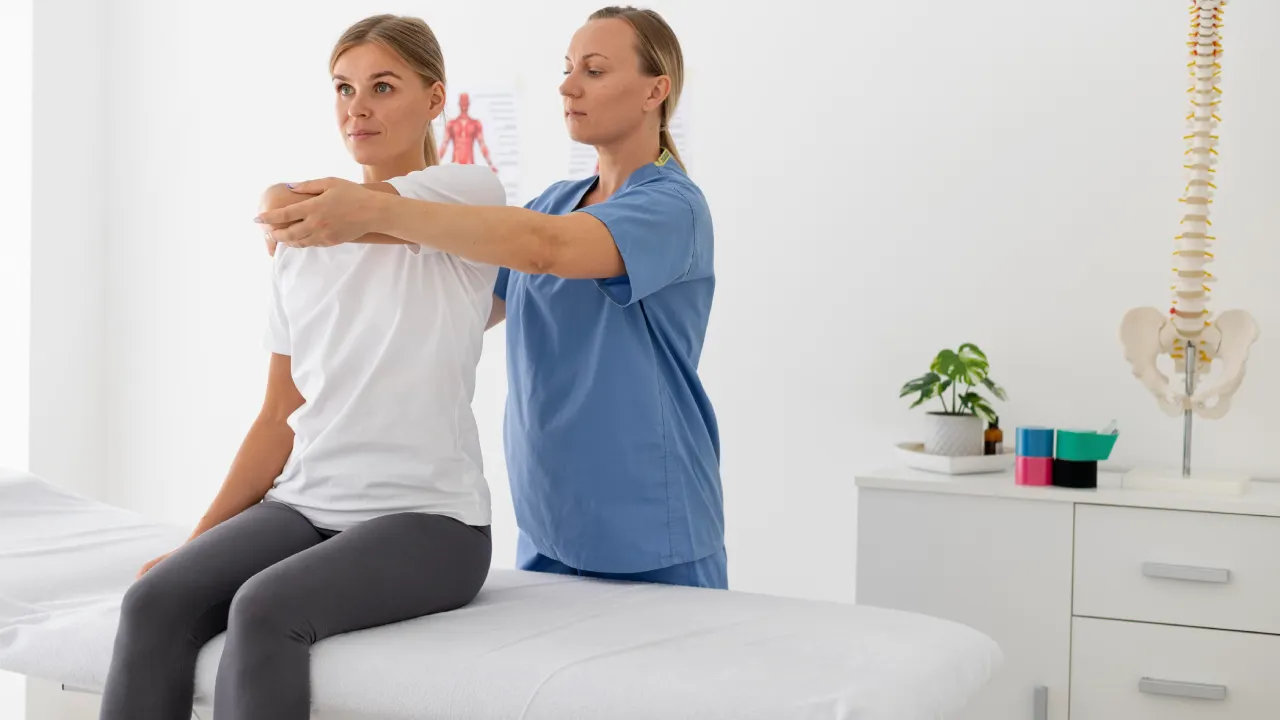
- Assessment and Planning: Therapists evaluate the injury, range of motion, and muscle strength to create a personalized program.
- Strengthening Exercises: Targeted exercises rebuild supporting muscles to stabilise the knee.
- Flexibility and Mobility Work: Stretching routines improve range of motion and help prevent stiffness.
- Balance and Functional Training: Activities simulate daily movements to restore confidence and reduce the risk of falls or further injury.
- Progress Monitoring: Therapists adjust exercises based on progress, ensuring safe and effective recovery.
Our clinic offers knee rehabilitation programs tailored to each patient's unique needs. Whether recovering from a sports injury, post-surgery, or managing chronic conditions like osteoarthritis, structured therapy helps restore mobility and reduce pain.
Practical Steps You Can Take at Home
While professional guidance is essential, certain at-home strategies support knee rehabilitation:
- Apply ice or heat as directed to manage swelling and discomfort.
- Perform gentle stretching exercises recommended by your therapist.
- Use supportive devices, such as knee braces, if advised.
- Maintain low-impact activity like swimming or cycling to keep muscles active without stressing the joints.
- Monitor pain levels and report any changes to your therapist promptly.
Why Choose Our Clinic in Woodbridge?
Choosing the right clinic makes a significant difference in your recovery. Our clinic provides hands-on care, structured programs, and consistent progress monitoring. Patients benefit from a team of experts who guide each step, ensuring exercises are safe, effective, and tailored to the individual.
Knee rehabilitation at our clinic focuses not only on immediate recovery but also on long-term joint health. With structured therapy and professional oversight, patients regain strength, reduce discomfort, and resume normal activities with confidence.
For residents of Woodbridge seeking reliable and effective care, Vcare Physio & Rehab offers comprehensive knee rehabilitation programs. From assessment to personalised exercises and ongoing support, our clinic helps patients return to their daily routines with improved mobility and reduced pain.