How Ongoing Neck Stiffness Affects Daily Movement and Comfort
Neck stiffness that lingers through the day can interfere with simple movements like turning your head, working at a desk, or even sleeping comfortably. Many people in Woodbridge search for ways to manage ongoing discomfort related to posture, stress, or long hours on screens. One commonly explored option is Massage Therapy, especially when tightness keeps returning during daily routines.
When neck muscles stay tense for long periods, it can affect the upper back, shoulders, and overall movement. It is where Massage Therapy is often considered as part of a physiotherapy setting to help address muscle tension and movement restrictions.
What Massage Therapy Involves for Neck Tightness
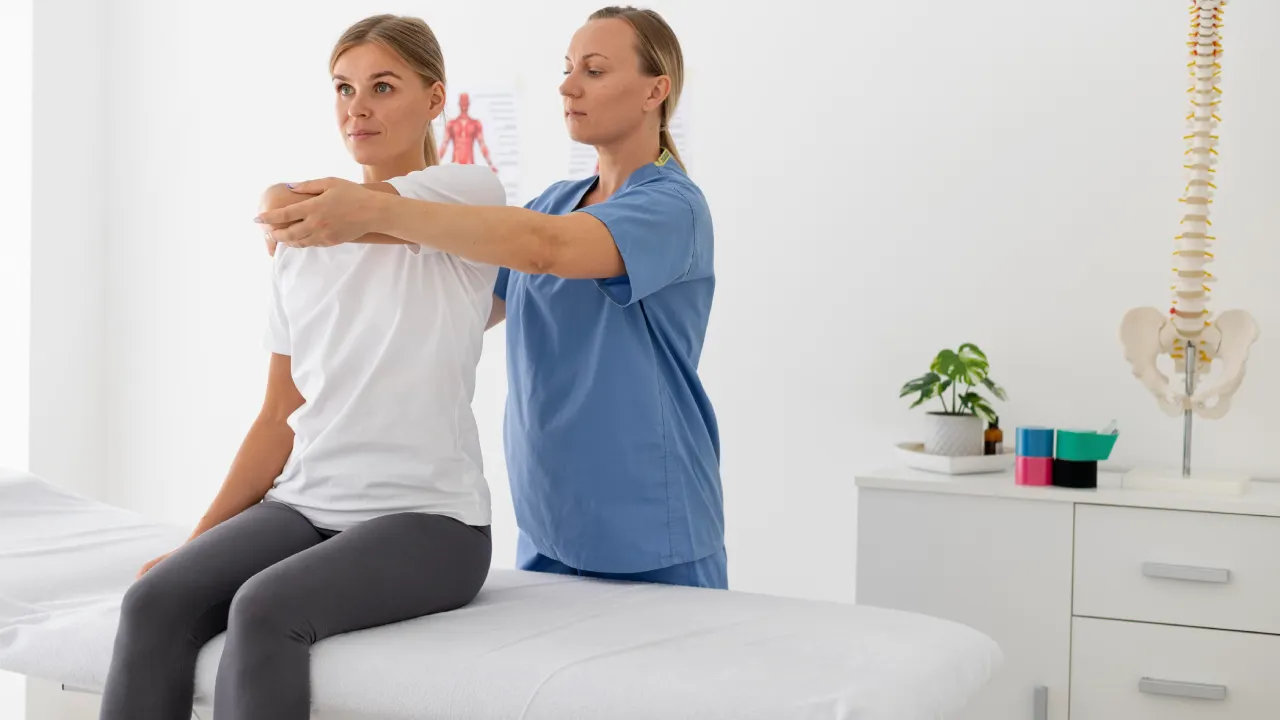
In a physiotherapy environment, Massage Therapy focuses on soft tissues of the neck, shoulders, and upper back. The aim is to reduce muscle tightness, improve movement, and support better alignment during daily activities.
This process often includes hands-on techniques that target stiff areas caused by repetitive strain or prolonged sitting. Massage Therapy is also combined with movement advice and posture strategies to help reduce recurring tension patterns.
Rather than focusing only on the area of discomfort, Massage Therapy often addresses the surrounding muscle groups that influence neck movement, such as the upper back and shoulder region.
Common Causes of Neck Muscle Tension
Neck tightness usually develops over time due to repeated habits and daily strain. Some common contributors include:
- Long hours of screen use, especially with a forward head posture.
- Slouched or unsupported sitting positions.
- Stress and mental strain affect muscle tension patterns.
- Repetitive movements in work or daily tasks.
- Weak upper back muscles reduce neck support.
These factors can gradually increase neck stiffness, making movements feel restricted and uncomfortable. In many cases, people later explore Massage Therapy after noticing that simple rest does not fully address the tightness.
7 Indicators That Massage Therapy May Help With Neck Tightness
- Frequent stiffness when waking up in the morning, especially after sleeping in one position for long hours
- Difficulty turning the head fully while driving or checking blind spots during daily travel
- A constant tight feeling across the shoulders and base of the neck after desk work
- Headaches that seem connected to tension in the neck area after long screen exposure
- Reduced comfort when sitting for extended periods without changing posture
- A pulling sensation in the upper back during routine movements like lifting or reaching
- Stress-related muscle tightness that builds during busy or high-pressure days
When these signs become more noticeable, many individuals consider Massage Therapy as part of their care plan to address ongoing muscle strain and movement restriction.
How Neck Tightness Is Managed in Physiotherapy Settings
In physiotherapy environments, neck tightness is often approached through several steps that focus on movement, muscle balance, and daily habits.
- Movement and posture assessment to identify strain patterns.
- Soft-tissue approaches are often used alongside Massage Therapy for muscle tightness.
- Mobility and stretching routines to improve neck and shoulder movement.
- Strength-based exercise planning for upper back support.
- Ergonomic correction strategies for workstations and daily posture habits.
Massage Therapy is often combined with these approaches to help address muscle tension that builds from repetitive strain or long static positions.
Neck Tightness and Daily Lifestyle in Woodbridge
In Woodbridge, many individuals spend long hours commuting, working at desks, or using digital devices. These daily routines can repeatedly strain the neck and upper back.
Over time, this can lead to stiffness that feels more noticeable after work or during rest periods. Residents often notice that screen-heavy routines and limited movement breaks contribute to tightness across the shoulder and neck region.
In such cases, Massage Therapy is often explored to manage muscle tension associated with everyday lifestyle patterns. Simple changes in posture habits during work hours can also help reduce recurring strain.
FAQs
Q1. What causes ongoing neck tightness?
It can develop from prolonged sitting, poor posture, repetitive movements, and stress-related muscle strain.
Q2. Can Massage Therapy help with stiff neck symptoms?
Yes, Massage Therapy may help reduce neck muscle tightness and improve movement in the neck and surrounding area.
Q3. How long does recovery usually take for neck muscle tension?
It depends on the cause and daily habits. Some people notice gradual changes over a few sessions, combined with posture adjustments.
Q4. Does posture affect neck discomfort?
Yes, forward head posture and slouched sitting can place extra strain on neck muscles.
Q5. When should I consider a professional assessment?
If stiffness continues for weeks or affects daily movement, a professional assessment may help identify the cause.
Moving Forward
Ongoing neck tightness can affect daily comfort, focus, and movement if left unaddressed. If the signs described above persist, exploring Massage Therapy as part of a physiotherapy plan may help address muscle tension associated with posture and routine activities.
At Vcare Physio & Rehab, located at 25 Woodstream Blvd #6, Woodbridge, ON L4L 7Y8, Canada, individuals can receive assessments and care tailored to their condition.
Booking a visit or calling the clinic can be the next step toward addressing persistent neck stiffness and improving daily movement patterns.