From daily strain to movement limits
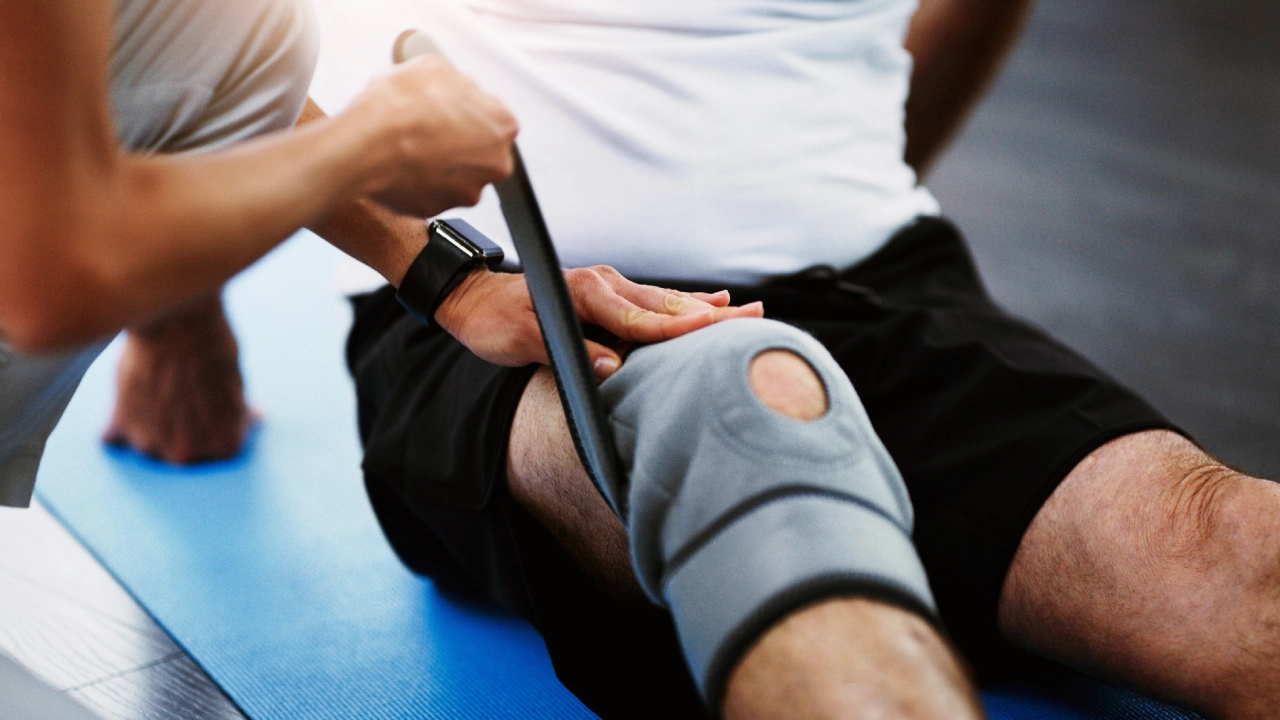
Many people notice knee discomfort after sports, long walks, or even daily routines like climbing stairs. What starts as mild stiffness can slowly turn into ongoing difficulty with movement, making simple activities feel limiting. This is where structured recovery planning becomes important. Knee Rehabilitation is often searched for by individuals seeking clarity on how to manage recovery after injury, strain, or surgery in a consistent way rather than guessing what might help.
Ignoring early signs or returning to activity too quickly can slow progress. A clear approach helps support movement, strength, and stability over time.
What Is Knee Rehabilitation?
Knee Rehabilitation refers to a structured process that supports recovery of the knee after injury, surgery, or long-term strain. It focuses on improving movement, reducing stiffness, and rebuilding strength around the joint.
It is commonly used for conditions such as ligament injuries, cartilage strains, or post-surgical recovery. The aim is to help the knee function in daily activities such as walking, bending, or climbing stairs without repeated discomfort.
Why Knee Injuries Need Structured Recovery
Knee injuries rarely resolve with rest alone. Without proper movement and strengthening, the joint may remain weak or unstable.
Common causes include:
- Sports injuries from sudden twists or impacts
- Weak support muscles around the knee and hip
- Movement patterns that place repeated stress on the joint
- Incomplete recovery after earlier injury
Knee Rehabilitation helps address these factors step by step so the knee is not overloaded during recovery.
10 Knee Rehabilitation Tips People Often Overlook
Many recovery routines miss small but important habits that influence progress. These points are often overlooked:
- Start gentle movement early instead of avoiding all activity.
- Focus on controlled bending and straightening exercises daily.
- Strengthen the surrounding muscles, such as the thighs and hips.
- Avoid sitting for long periods without movement breaks.
- Use slow walking to maintain joint motion.
- Pay attention to foot positioning during activity.
- Keep swelling in check by regularly changing positions.
- Avoid uneven surfaces during early recovery stages.
- Maintain posture while standing and walking.
- Track progress instead of guessing improvements.
These steps are part of Knee Rehabilitation and help support steady improvement in movement without overloading the joint.
Signs Your Knee Recovery Needs Attention
Some signs indicate the knee may not be recovering as expected:
- Swelling that returns after activity
- Difficulty bending or straightening fully
- A feeling of instability while walking
- Ongoing stiffness in the morning or after rest
- Discomfort that returns during simple movements
If these signs continue, structured Knee Rehabilitation may be required to support better movement control.
How Physiotherapy Supports Knee Rehabilitation
Movement-based care plays a major role in recovery. Physiotherapy for knee rehabilitation may include:
- Assessment of joint movement and walking patterns
- Strength-building exercises for support muscles
- Flexibility work to reduce stiffness
- Functional training for daily movement tasks
- Non-invasive techniques to support joint mobility
These steps are often part of Knee Rehabilitation plans that focus on restoring safe and controlled movement.
Common Mistakes During Knee Recovery
Many people unintentionally slow down recovery by:
- Ignoring early discomfort and continuing activity
- Returning to sports or exercise too soon
- Skipping strengthening routines
- Relying only on rest without movement
Avoiding these habits supports a smoother Knee Rehabilitation process and reduces the chance of repeated strain.
Knee Injury Recovery in Woodbridge, ON
Active lifestyles, sports participation, and daily commuting in Woodbridge can place consistent demand on the knees. This makes structured recovery important for many residents.
Local concerns often include sports-related strain, workplace stress on joints, and post-surgical recovery needs. Knee Rehabilitation clinic Woodbridge searches often come from individuals looking for structured recovery support after injury.
Services like physiotherapy for knee rehabilitation are commonly used for movement restoration and strength building. Cases involving ligament damage, such as ACL injuries, may require ACL rehabilitation Woodbridge programs. Post-surgical cases also benefit from guided recovery, such as post-surgery knee rehabilitation in Woodbridge. For ongoing discomfort, knee injury recovery in Woodbridge support helps improve daily movement patterns over time.
FAQs
When should I start knee rehabilitation after injury?
It usually begins once serious swelling reduces, and basic movement becomes possible. Early movement is often encouraged under professional direction.
Can physiotherapy help long-term knee pain?
Yes, structured movement work and strengthening can support improved joint function and reduce recurring discomfort.
How long does knee recovery usually take?
Recovery time varies based on injury type, activity level, and consistency with exercises.
Do I need a referral for physiotherapy in Woodbridge?
In many cases, a referral is not required, but it depends on insurance or specific medical plans.
What injuries commonly require knee rehabilitation?
Ligament strains, ACL injuries, meniscus issues, and post-surgical cases often require structured recovery.
Moving Forward
Ignoring knee discomfort or delaying movement support can slow recovery. Taking early steps with structured care helps maintain mobility and strength during daily activity.
For those seeking support, Knee Rehabilitation services are available at Vcare Physio & Rehab, located at 25 Woodstream Blvd #6, Woodbridge, ON L4L 7Y8, Canada.
If knee stiffness, instability, or post-injury challenges are affecting movement, consider booking an appointment to begin a structured recovery plan at the clinic.