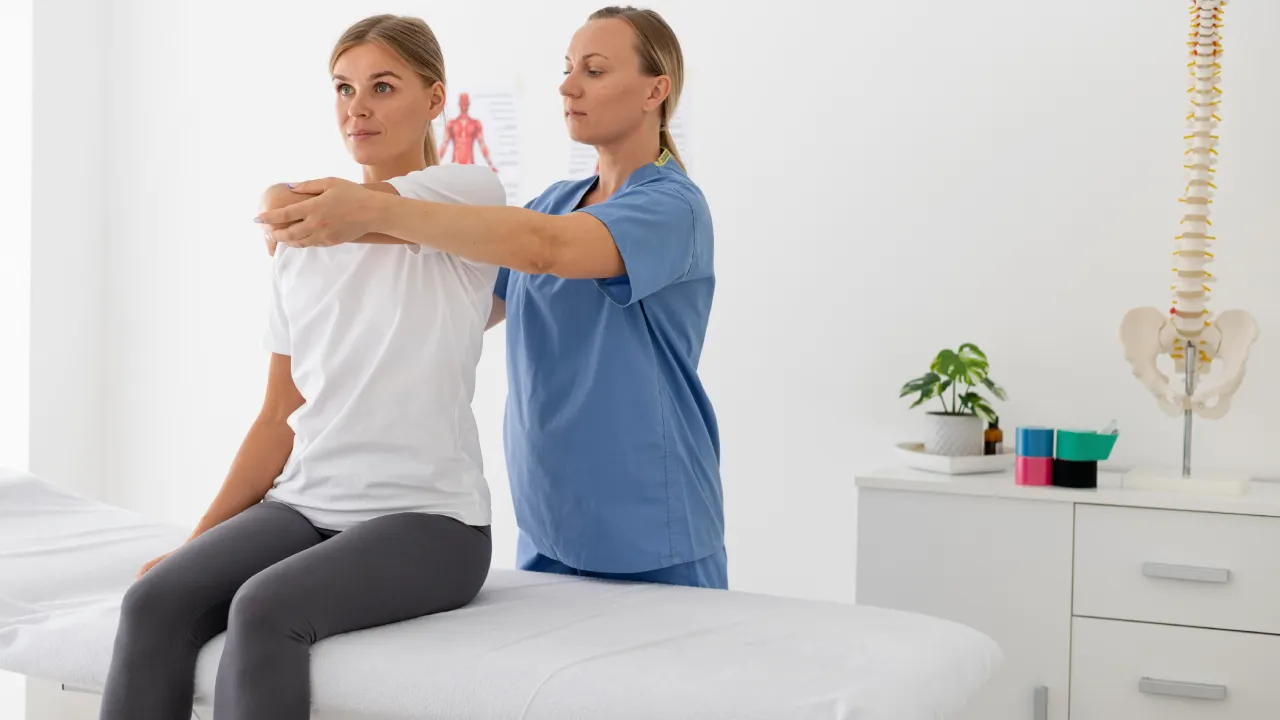
Supporting an Active Lifestyle Through Healthy Movement and Mobility
Staying active is an important part of maintaining physical health, supporting everyday movement, and enjoying a fulfilling lifestyle. Whether it involves walking, cycling, playing sports, exercising at the gym, or completing household activities, regular movement helps keep the body engaged and supports physical fitness. However, muscle stiffness, joint discomfort, injuries, and limited flexibility can sometimes make daily activities challenging.
For individuals and families in Woodbridge, maintaining an active lifestyle requires attention to physical strength, mobility, flexibility, and proper movement habits. Long hours at a desk, repetitive movements, physically demanding work, and sports activities can place stress on different parts of the body. Without appropriate attention, these factors may contribute to movement difficulties and recurring physical concerns.
A Physiotherapy Service can play an important role in addressing these challenges through physical assessments, therapeutic exercises, movement education, and rehabilitation strategies. At Vcare Physio & Rehab, individuals in Woodbridge can explore physiotherapy care that focuses on their physical needs, activity levels, and everyday movement goals.
How Does a Physiotherapy Service Support an Active Lifestyle?
An active lifestyle involves more than participating in exercise or sports. It also includes maintaining the physical ability to walk comfortably, climb stairs, carry groceries, bend, stretch, and perform daily responsibilities.
A Physiotherapy Service focuses on physical function by addressing movement limitations, muscle weakness, joint stiffness, balance concerns, and recovery following injuries.
Physiotherapy professionals assess how different parts of the body work together during movement. Based on their findings, they may recommend therapeutic exercises, mobility activities, stretching routines, and other rehabilitation methods.
These approaches can help individuals:
- Maintain muscle strength and flexibility.
- Develop improved posture and movement habits.
- Increase joint mobility.
- Work towards greater physical endurance.
- Address movement difficulties following injuries.
- Build confidence when participating in physical activities.
Whether someone enjoys recreational sports or simply wants to remain active throughout the day, physiotherapy can become a useful part of maintaining physical fitness.
Why Is a Physiotherapy Service Important for Everyday Mobility?
Everyday mobility refers to the ability to move the body comfortably and perform routine activities. Walking, standing, sitting, reaching, bending, and lifting all require coordination between muscles, joints, bones, and the nervous system.
When one area of the body experiences restricted movement or weakness, other areas may compensate. For example, limited hip mobility may affect walking patterns, while reduced shoulder movement may make reaching overhead difficult.
A Physiotherapy Service can help identify these movement concerns and establish appropriate exercises and rehabilitation activities.
1. Supports Comfortable Walking and Movement
Walking is one of the most common physical activities. It involves coordination between the hips, knees, ankles, feet, and surrounding muscles.
Muscle tightness, joint stiffness, or previous injuries can affect walking patterns. Physiotherapy assessments can examine walking posture, balance, joint movement, and muscle function.
Exercises may focus on lower-body strength, flexibility, coordination, and walking mechanics. These activities can help individuals work towards smoother movement during everyday routines.
2. Helps Maintain Joint Flexibility
Joints allow the body to move in different directions. However, prolonged sitting, limited physical activity, repetitive movements, and certain injuries may contribute to stiffness.
Maintaining joint mobility is important for activities such as bending, reaching, turning, and climbing stairs.
Stretching exercises, active movement routines, and appropriate joint mobility activities may help maintain flexibility. A physiotherapy professional can identify restricted movement and recommend exercises suited to an individual's physical abilities.
3. Encourages Muscle Strength
Muscles provide the strength required for movement, posture, lifting, and physical activity. Weak muscles may make routine tasks more demanding and can affect movement coordination.
Strengthening exercises can target different muscle groups, including the back, abdomen, hips, legs, shoulders, and arms.
Building muscle strength can support activities such as carrying shopping bags, getting out of a chair, walking longer distances, and participating in recreational exercise.
4. Promotes Balance and Coordination
Balance plays an important role in everyday mobility. It allows individuals to maintain stability while standing, walking, changing direction, and navigating uneven surfaces.
Balance difficulties can increase the possibility of falls, particularly among older adults.
Physiotherapy may include balance exercises, controlled weight-shifting activities, coordination training, and lower-body strengthening. These activities can help individuals develop greater awareness of their body position and movement.
5. Supports Daily Physical Independence
Everyday responsibilities require different physical abilities. Cooking, cleaning, gardening, driving, working, and caring for family members all involve movement.
When discomfort, weakness, or stiffness affects these activities, completing routine responsibilities may become challenging.
A structured rehabilitation programme can focus on movements related to daily tasks. This may include practicing safe lifting, improving posture, strengthening relevant muscles, and developing appropriate movement habits.
Common Physical Challenges That Can Affect an Active Lifestyle
Different physical concerns can interfere with regular activity. Recognizing these concerns early can help individuals seek an appropriate assessment.
Some common examples include:
Back discomfort: Prolonged sitting, lifting, repetitive movements, and poor posture may contribute to back problems. Physiotherapy may include mobility exercises, core strengthening, and movement education.
Neck stiffness: Extended computer use, poor workstation positioning, and repetitive activities can affect neck movement. Gentle mobility exercises and postural adjustments may help address these concerns.
Shoulder restrictions: Shoulder injuries, muscle weakness, and joint stiffness can make reaching, lifting, and overhead movements difficult. Rehabilitation may focus on shoulder mobility and strengthening.
Knee discomfort: Walking, running, climbing stairs, and sports activities place demands on the knee joints. Appropriate strengthening and movement exercises may help support knee function.
Ankle and foot concerns: Sprains, restricted ankle movement, and muscle weakness can affect walking and balance. Rehabilitation may include flexibility, strengthening, and stability exercises.
Sports-related injuries: Physical activities may sometimes result in muscle strains, ligament injuries, and joint problems. Rehabilitation can help individuals work towards returning to their preferred activities safely.
How Can Physiotherapy Help Prevent Activity-Related Injuries?
Physical activity supports general fitness, but increasing exercise intensity too quickly or repeating movements without adequate preparation may contribute to injuries.
Injury prevention involves recognizing physical limitations, developing strength, maintaining flexibility, and following appropriate exercise routines.
A Physiotherapy Service can help individuals identify movement patterns or physical limitations that may increase stress on particular muscles and joints.
Improving Exercise Preparation
Preparing the body before physical activity can help muscles and joints adjust to movement demands.
A warm-up may include:
- Five to ten minutes of light walking or cycling.
- Gentle dynamic stretching.
- Controlled joint movements.
- Activity-specific preparation.
- Gradual increases in exercise intensity.
These activities prepare the body for physical demands and help individuals become more aware of their movement.
Developing Strength and Flexibility
Muscle strength and flexibility contribute to physical performance and movement control.
For example, strengthening the hip muscles may support lower-body movement, while improving ankle mobility may assist with walking and squatting activities.
Exercise programmes should reflect individual physical abilities, fitness levels, and activity requirements.
Learning Proper Movement Techniques
Incorrect lifting, sudden twisting, repetitive movements, and poor exercise form may place unnecessary stress on the body.
Physiotherapy professionals can explain appropriate movement techniques for activities such as lifting objects, exercising, bending, and returning to sports.
Managing Exercise Intensity
Increasing exercise duration or intensity too quickly may place additional demands on muscles and joints.
Gradual progression, adequate rest, hydration, and appropriate recovery routines are important parts of an active lifestyle.
Individuals should also pay attention to warning signs such as persistent discomfort, swelling, or restricted movement.
What Happens During a Physiotherapy Appointment?
Knowing what to expect during an appointment can help individuals feel prepared to discuss their physical concerns.
At Vcare Physio & Rehab, individuals seeking a Physiotherapy Service in Woodbridge can discuss their movement difficulties, physical activity levels, and rehabilitation goals with the clinic team.
Although the process may vary according to individual needs, a typical physiotherapy appointment may involve the following stages.
1. Initial Consultation
The physiotherapy professional discusses the individual's medical history, current concerns, previous injuries, daily activities, and exercise habits.
This conversation helps identify factors that may be affecting physical movement.
2. Physical Assessment
An assessment may examine posture, flexibility, muscle strength, joint mobility, balance, coordination, and movement patterns.
The assessment helps identify areas that may require attention during rehabilitation.
3. Rehabilitation Planning
Based on the assessment, the physiotherapy professional establishes suitable rehabilitation goals.
These may include increasing joint movement, strengthening particular muscles, improving balance, or addressing difficulties with everyday activities.
4. Therapeutic Activities
Depending on the individual's condition, physiotherapy may include stretching, strengthening, mobility exercises, balance training, manual therapy, and movement education.
The activities are adjusted according to the person's progress and physical capacity.
5. Progress Reviews
Progress can be reviewed through follow-up assessments and discussions. Exercises may be adjusted as physical abilities and activity requirements change.
Who Can Benefit from Physiotherapy?
Physiotherapy can be relevant to individuals across different age groups and activity levels.
Office workers: People who spend extended periods sitting may develop neck stiffness, back discomfort, or postural difficulties. Movement education and appropriate exercises may help address these concerns.
Athletes and sports participants: Individuals involved in recreational or competitive sports may require rehabilitation following injuries or support when returning to physical activities.
Older adults: Physiotherapy can focus on balance, walking ability, joint mobility, muscle strength, and fall prevention.
Active individuals: People who regularly walk, cycle, run, swim, or exercise may benefit from movement assessments and strength programmes.
Individuals recovering from injuries: Rehabilitation may help restore movement, develop strength, and support a gradual return to daily responsibilities.
A Physiotherapy Service can be considered whenever physical limitations begin affecting everyday activities, exercise participation, or general mobility.
Why Choose Vcare Physio & Rehab in Woodbridge?
Choosing a physiotherapy clinic involves considering the nature of your physical concerns, the assessment process, available treatment approaches, and communication with the physiotherapy team.
Vcare Physio & Rehab provides a local option for individuals in Woodbridge who are looking for physiotherapy care.
When considering physiotherapy, individuals may want to look for:
- An initial discussion about their physical concerns.
- An assessment of movement and physical function.
- Clear explanations of rehabilitation activities.
- Exercises that reflect their current physical abilities.
- Progress reviews and adjustments when required.
- Advice about maintaining physical activity between appointments.
Open communication between the individual and physiotherapy professional is an important part of rehabilitation. Sharing information about daily activities, exercise habits, and movement difficulties can help establish appropriate rehabilitation goals.
Practical Tips for Maintaining an Active Lifestyle
Alongside professional physiotherapy care, everyday habits can contribute to physical fitness and mobility.
Here are some practical ways to stay active:
- Walk regularly: Include short walks throughout the day, particularly if your work involves prolonged sitting.
- Take movement breaks: Stand up, stretch, and change positions during extended periods of desk work.
- Include strength exercises: Activities such as bodyweight squats, controlled lunges, and resistance exercises can support muscle function.
- Maintain flexibility: Include gentle stretching for the shoulders, back, hips, legs, and ankles.
- Stay hydrated: Drink sufficient water throughout the day, particularly during physical activity.
- Prioritise rest: Allow sufficient recovery time between demanding exercise sessions.
- Pay attention to discomfort: Persistent or worsening symptoms should be assessed by an appropriate healthcare professional.
These habits can help individuals remain physically active while paying attention to their body's changing needs.
Frequently Asked Questions
1. What Is a Physiotherapy Service?
A Physiotherapy Service involves assessing and addressing physical movement concerns through rehabilitation activities, therapeutic exercises, mobility training, and movement education. It may help individuals manage injuries, stiffness, muscle weakness, and mobility limitations.
2. How Often Should Someone Attend Physiotherapy?
The frequency of appointments depends on the individual's condition, physical goals, assessment findings, and progress. Some people may require regular appointments initially, while others may attend less frequently as their rehabilitation progresses.
3. Can Physiotherapy Help with Everyday Mobility?
Yes. Physiotherapy may address movement limitations through strength exercises, flexibility activities, balance training, and joint mobility exercises. These approaches can support activities such as walking, bending, climbing stairs, and reaching.
4. Is Physiotherapy Suitable for Older Adults?
Yes. Older adults may participate in physiotherapy to address balance concerns, muscle weakness, joint stiffness, walking difficulties, and mobility limitations. Exercise programmes should reflect individual physical abilities and health considerations.
5. When Should I Consider Physiotherapy?
Consider an assessment if persistent stiffness, discomfort, muscle weakness, restricted joint movement, or an injury begins affecting your everyday activities. An appropriate assessment can help identify possible causes and suitable next steps.
Take The Next Step
Maintaining an active lifestyle involves paying attention to physical strength, flexibility, balance, and everyday movement. Whether you enjoy sports, regular exercise, walking, or simply want to manage daily activities comfortably, physiotherapy can play a valuable role in supporting your physical goals.
At Vcare Physio & Rehab, individuals in Woodbridge can discuss their mobility concerns and explore suitable physiotherapy care based on their physical needs.
Take the next step towards an active routine. Contact Vcare Physio & Rehab in Woodbridge to schedule an appointment and discuss your physiotherapy needs.
Address: 25 Woodstream Blvd #6, Woodbridge, ON L4L 7Y8, Canada
Phone: +1 905-264-8585